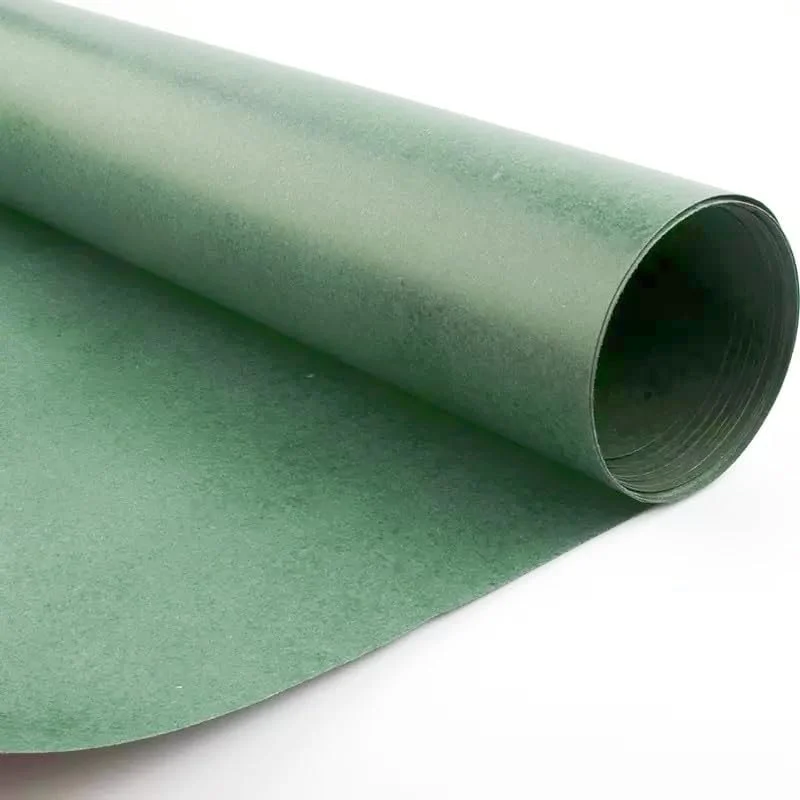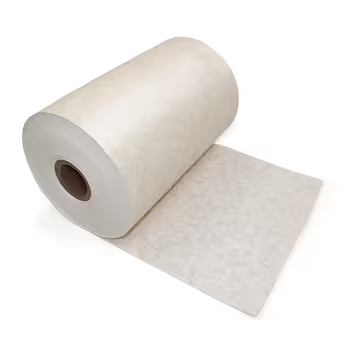
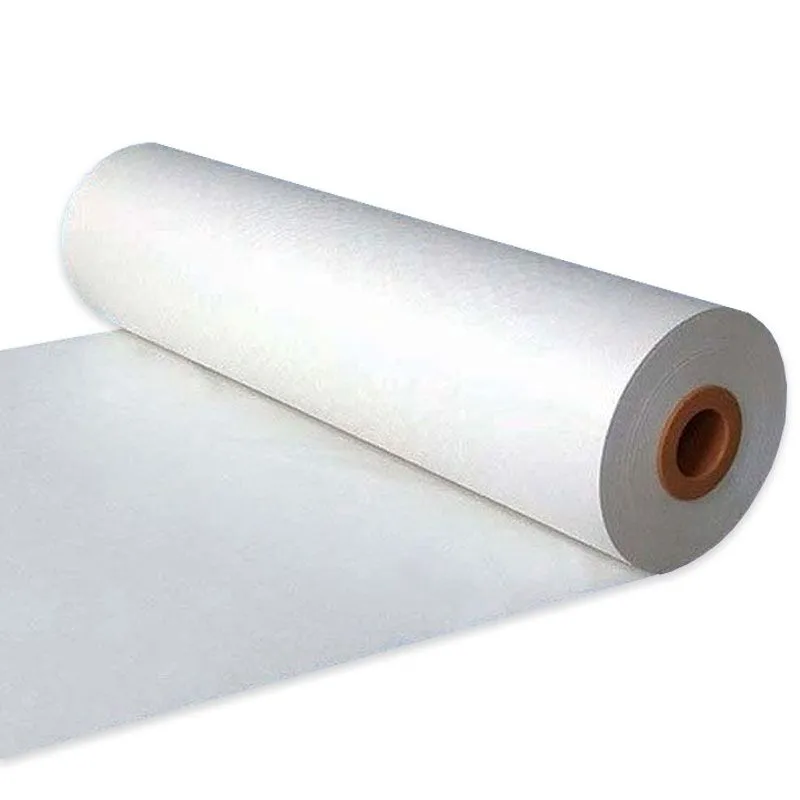
Uncaledered Nomex Paper DupontUncaledered NomexPaper Dupont
Uncalendered Nomex® Paper is a high-performance aramid insulation material offering excellent thermal stability, high dielectric strength, and superior resin absorption. Widely used in transformers, motors, and electrical equipment, it ensures reliable insulation in high-temperature and demanding industrial applications.
Overview
Uncalendered Nomex® Aramid Paper 411 by DuPont is a high-performance electrical insulation material made from aramid fibers and processed without calendaring to retain its porous structure. It is known for its excellent thermal resistance, high dielectric strength, and superior resin absorption, making it ideal for demanding electrical applications.
Its uncalendered structure allows deeper penetration of varnishes and resins, resulting in stronger bonding and improved long-term insulation reliability. Compared to standard aramid papers, Nomex® 411 offers better impregnation properties, enhancing performance in high-temperature and high-stress environments.
This material provides excellent resistance to heat aging, chemicals, and mechanical stress, ensuring consistent performance over time. It is flexible, durable, and easy to process, making it suitable for both manual and automated manufacturing.
It is widely used in applications where efficient resin absorption, thermal endurance, and reliable electrical insulation are critical.
Technical Details
Common Use Cases
Similar Materials
More from the Insulation Papers category